

Why We're All Obsessed With Toxic Rich Boys (And Can't Stop Watching Them)
If your group chat has ever devolved into a heated debate over whether you’d pick Jeremiah or Conrad, then welcome, you’re part of the cultural moment that Prime Video has practically weaponised: the seductive chaos of the toxic rich boy. From The Summer I Turned Pretty to Culpa Nuestra and Maxton Hall, we just can’t get enough of boys who brood, manipulate, apologise half-heartedly, and still somehow make us hit “next episode.” But our fascination isn’t really about them... it’s about us.
The Allure of Emotional Chaos
In the age of therapy talk and soft masculinity, why are viewers still swooning for emotionally unavailable men with trust funds? Perhaps, as one Maxton Hall fan wrote on TikTok, “James Beaufort is every red flag I’ve ever ignored, and I love that the show knows it.” That self-awareness is key. These shows don’t just glorify the toxic; they let us safely study it. A viewer of The Summer I Turned Pretty summed it up: “Watching Conrad makes me mad and addicted at the same time, he’s the perfect storm of pain and longing.”

Money, Power, and the Privilege of Dysfunction
Let’s be honest: the boys being terrible tends to come with a side of old money. The beach houses of Cousins, the marble halls of Maxton, the sleek cars of Culpa Nuestra. They all dress dysfunction in designer clothing. One viewer commented, “It’s easier to romanticise a toxic guy when he’s rich enough to apologise with a yacht.” That blend of privilege and passion taps into something primal about social aspiration; we’re not just drawn to him, but to the world he represents. And yet, Prime’s new generation of romantic dramas seems increasingly self-aware. As a Culpa Nuestra viewer put it, “Nick starts as the typical arrogant player, but by the end, he’s learning what accountability actually looks like.” There’s a cultural shift at play, we want the red flags, but we also want to see them turned into redemption arcs.
Red Flags as Emotional Aesthetics
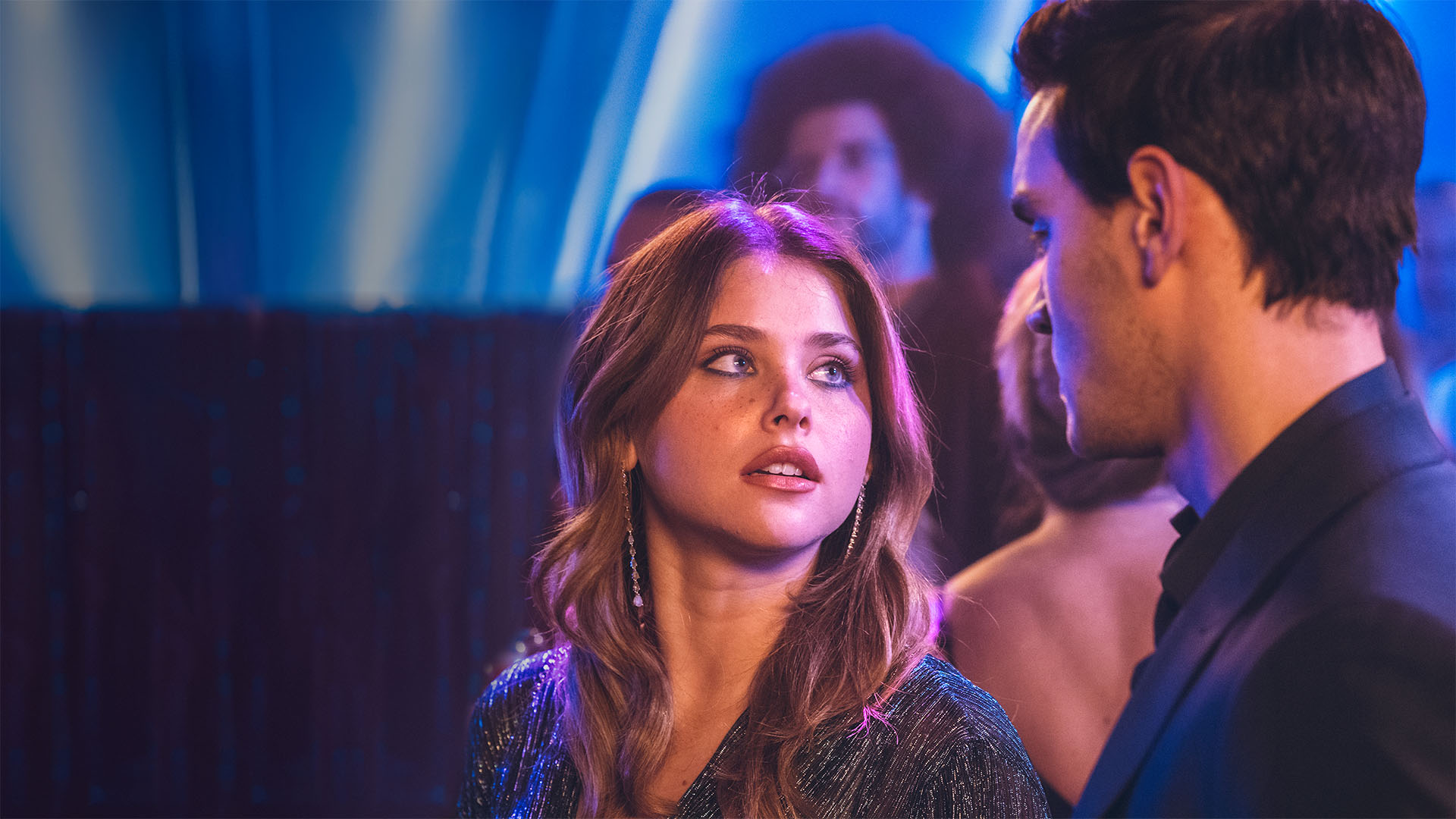
The toxic traits we once excused as “brooding” are now practically aesthetic choices. Slow looks across crowded rooms, stormy silences, breakup scenes scored to indie pop, they’re part of how we dramatise desire. A Summer I Turned Pretty fan tweeted, “Conrad staring at the ocean is my Roman Empire,” and honestly, that says it all. We’ve learned to aestheticise dysfunction, turning heartbreak into visual poetry.

Our obsession with toxic rich boys isn’t really about excusing bad behaviour, it’s about exploring it, safely. Prime Video’s glossy, emotionally violent romances give us a sandbox for all the chaos we’ve outgrown but secretly miss. Watching Conrad, James, or Nick stumble through their privilege reminds us that love isn’t linear, and growth can look ugly.
As viewers keep saying online, “I don’t want to date him, I just want to watch him.” And maybe that’s the healthiest thing of all.